Skilled TV Wall Mounting Services for a Polished, Up-to-Date Look
Professional TV wall mounting solutions provide an effective approach for individuals wanting to upgrade their interior spaces. By ensuring secure installations and ideal positioning, these solutions enhance contemporary design while boosting practicality. Licensed professionals not only evaluate wall integrity but also organize cables efficiently. This creates a streamlined look that aligns with contemporary design. Yet, exploring the finer details of this offering can uncover additional advantages that many property owners may miss.
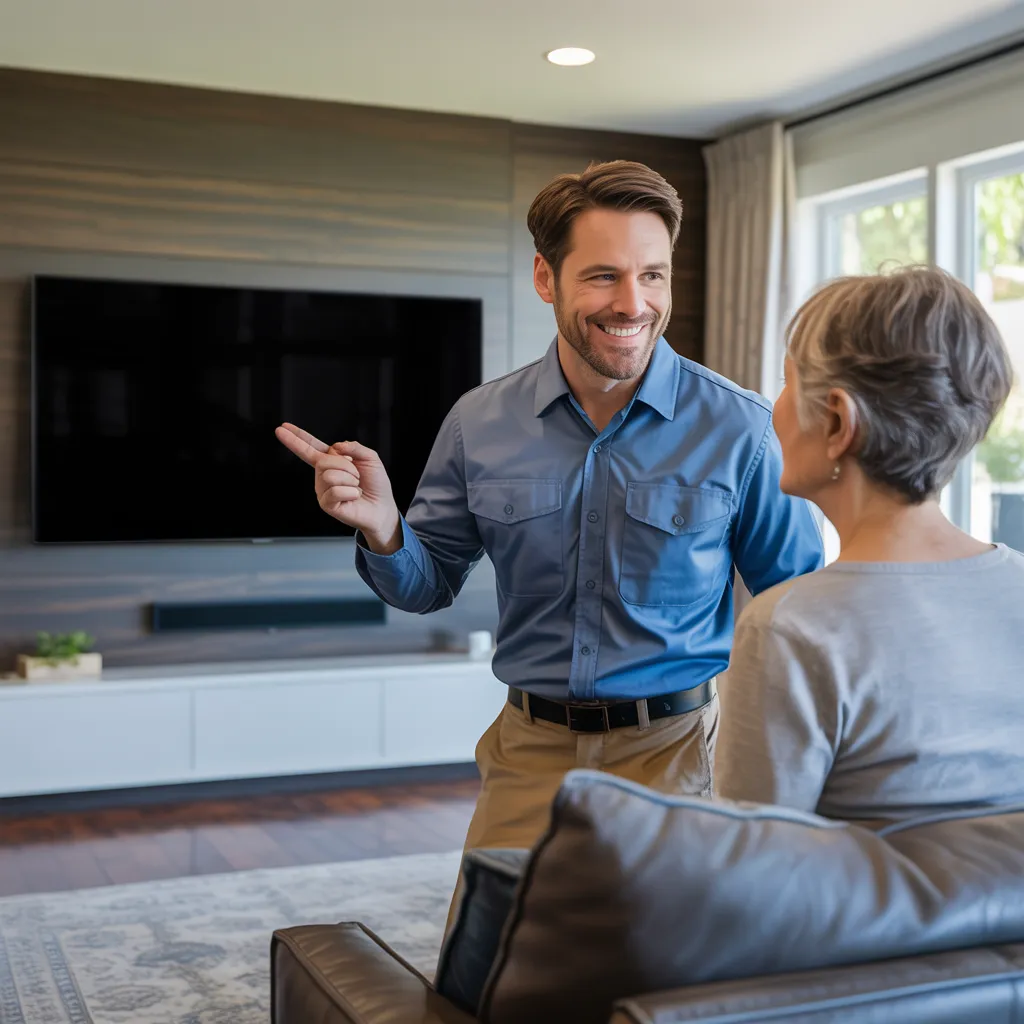
Why Choose Expert TV Wall Mounting Services
When residents contemplate hanging their televisions on the wall, they commonly fail to recognize the value of using skilled professionals. Professional wall mounting guarantees not only proper installation but also promotes greater security. Qualified professionals have the expertise and abilities necessary to examine wall structures, locate studs, and establish the optimal viewing height. Such proficiency reduces the chance of injury to walls or the television unit.
Moreover, trained specialists can expertly manage wire and cable routing, producing a streamlined and orderly finish. Specialists appreciate the significance of balancing aesthetics with functionality, confirming that the installation enhances the overall design of the room. Furthermore, working with trained technicians usually includes assurances and warranties, giving homeowners reassurance in relation to their financial commitment. By opting for expert TV wall mounting services, homeowners can experience a smooth and seamless process, yielding a sturdy and attractive arrangement that enhances their living space.
How Wall Mounting Elevates Your Home's Aesthetic
Wall mounting a television can significantly enhance a living space's overall look, as it eliminates bulky furniture and creates a streamlined look. By positioning the TV at eye level, it improves the overall watching experience while sustaining a fresh, modern environment. This clean-cut method not only minimizes visual clutter but also allows for more versatile room layouts, making spaces feel larger and more open.
Furthermore, mounted televisions work as a central feature, giving homeowners to design around them with decorative shelving or art pieces that harmonizes with the room's aesthetic. The incorporation of hidden cables greatly improves the visual appeal, creating a sleek finish that enhances both style and functionality.
Furthermore, wall mounting encourages a present-day feel, complementing existing design trends that favor elegance and simplicity. Ultimately, this carefully considered placement transforms a home's complete atmosphere, turning conventional living spaces into sophisticated surroundings.
What Happens During TV Wall Mounting
Planning for TV wall mounting requires a series of structured steps to achieve a seamless installation process. To begin, the installer assesses the wall structure and determines the best mounting location, taking into account factors such as wall studs and cable management. Upon choosing the correct mounting bracket, they confirm that all required tools and materials are readily available.
The setup commences with careful measurements and wall markings to guarantee precision. The installer then carefully fastens the bracket, confirming it is properly leveled and firmly anchored. After the bracket has been secured, the TV is methodically positioned, with focus on proper cable routing and ideal viewing placement.
Upon completing the installation, the installer evaluates the setup, verifying that the TV operates as expected and delivers the intended look. To conclude, any leftover debris and packaging is tidied away, leaving the space tidy and ready for enjoyment.
Top Guidelines for TV Wall Mount Placement
Determining the ideal position for positioning a TV entails multiple key aspects to maximize both usability and appearance. Initially, the viewing distance is essential; a distance of 1.5 to 2.5 times the diagonal screen size is ideal for the best enjoyment. Next, eye level is important; the middle of the screen should correspond to the viewer's line of sight when seated. This provides an comfortable viewing experience without straining the neck.
Furthermore, the wall's surface and structure must be assessed to minimize the risk of damage. Securing the mount to a stud instead of drywall ensures stronger support. Natural light should also be considered, as glare can hinder visibility; it is recommended to position the TV away from direct sunlight. To conclude, accessibility to power outlets and cable management should be factored in to maintain a clean, organized look. Adhering to these guidelines ensures a properly positioned TV that enhances the room's aesthetic.
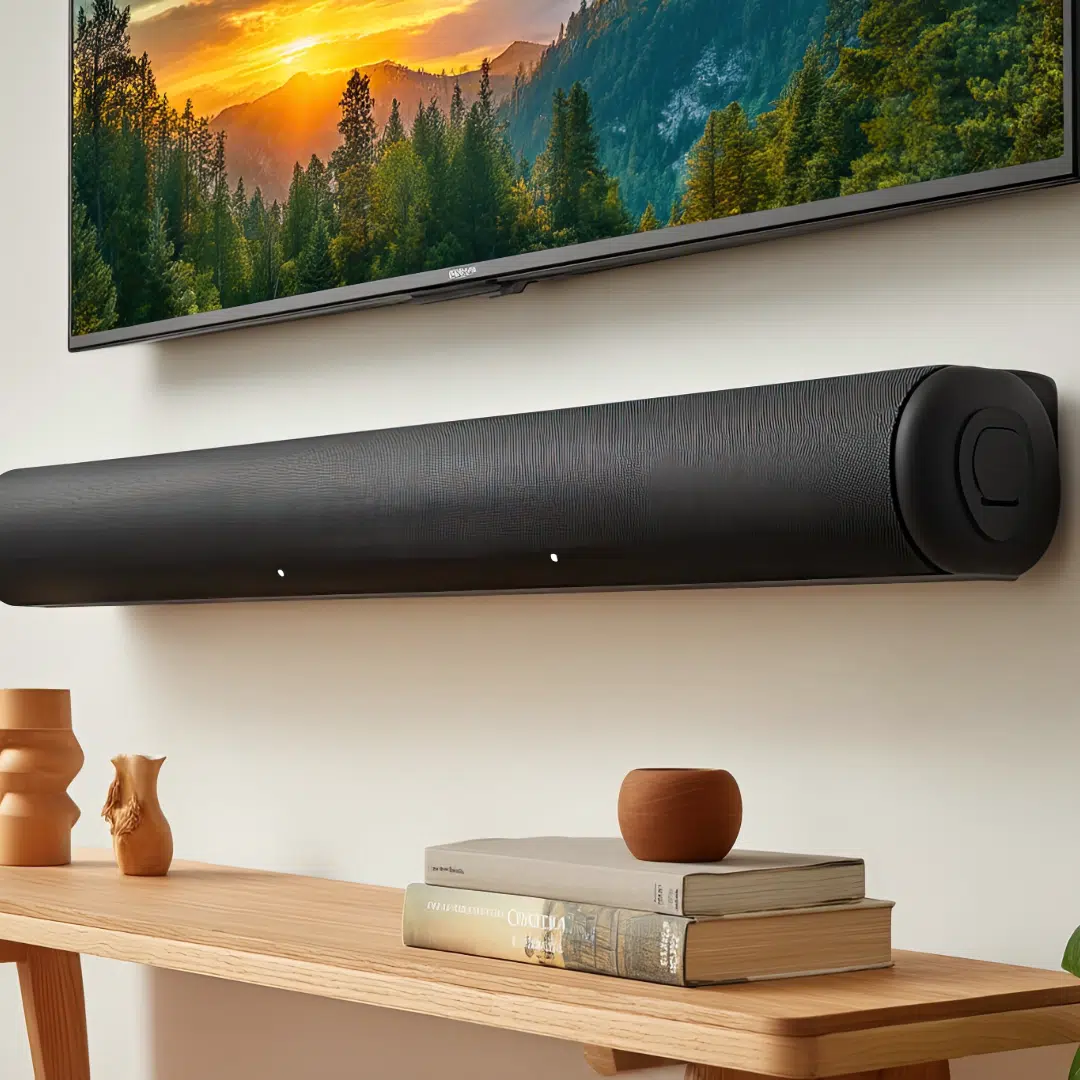
Top 5 Benefits of Professional TV Wall Mounting vs. DIY
Opting for a professional service for TV wall mounting can deliver considerable benefits over a do-it-yourself approach. First, professionals have the knowledge to select the appropriate mounting brackets and hardware, guaranteeing optimal safety and stability. Additionally, they are equipped with specialized tools that support effective installation, minimizing the chance of damage to walls or the TV itself. In addition, professionals can evaluate the ideal viewing angles and positions, improving the general aesthetic and functionality of the space. make a move Beyond that, professional services often include warranties, delivering confidence should any issues arise post-installation. Lastly, hiring experts reduces time and effort, allowing homeowners to focus on fully utilizing their entertainment systems rather than contending with the installation process. Overall, these advantages highlight the value of choosing professional TV wall mounting services.
Avoid These Common TV Wall Mounting Mistakes
Wall-mounting a TV can be a thrilling undertaking, but various typical missteps can cause disappointment and unintended damage. One prevalent oversight is not identifying wall studs, which can lead to insufficient stability for larger televisions. Moreover, overlooking proper cable routing can result in a cluttered appearance, compromising the clean aesthetic of a wall-mounted television. Improper positioning at the wrong height is another frequent error; mounting too high or too low can cause neck strain and diminish viewing comfort. Moreover, using the wrong mounting hardware can compromise safety and stability. Finally, overlooking the viewing angle relative to seating can diminish the overall experience. By steering clear of these errors, homeowners can ensure a smooth setup that improves their home environment. Hiring skilled professionals can further reduce these risks, offering knowledge and accuracy for a perfect installation.
Frequently Asked Questions
How Much Time Does a Standard TV Wall Mounting Service Usually Take?
An average TV wall mounting service lasts approximately one to two hours. Considerations such as wall type, mounting height, and necessary cable management may influence the overall time required for installation and setup.
What Tools Are Needed for DIY TV Wall Mounting?
Essential equipment for do-it-yourself TV wall installation consist of a stud detector, spirit level, drill, fasteners, drywall anchors, measurement tool, and a socket wrench. This equipment ensure a reliable and proper installation for optimal TV viewing.
Am I Able to Mount a TV on Any Kind of Wall?
Absolutely, a TV can be installed on a variety of wall types, including concrete, drywall, and brick. Keep in mind that, proper mounting techniques and anchors are crucial for ensuring a secure and safe installation across all materials.
Do I Need to Provide My Own Wall Mount?
Generally, clients are responsible for providing their own wall mount, making sure it suits their specific TV and wall type. However, some services may offer mounts for purchase, so checking ahead of time is strongly suggested.
Is Wall Mounting Safe for Large, Heavy TVs?
Wall mounting oversized, heavy televisions is possible safely if proper mounts and installation techniques are used. Choosing the right hardware is essential and ensure the wall can effectively bear the television's weight.