Upgrade Your Home: Skilled TV Wall Setup Experts for the Perfect Living Room Experience
Skilled TV wall mounting specialists can markedly enhance your home theater experience. By securing perfect viewing angles and eliminating unnecessary clutter, these offerings combine utility and aesthetics in any living area. Correct mounting also resolves frequent problems such as glare and neck discomfort. Grasping the details of this procedure is crucial. What elements should be assessed before committing to a mounted television arrangement? The answers may reshape your entire viewing experience.
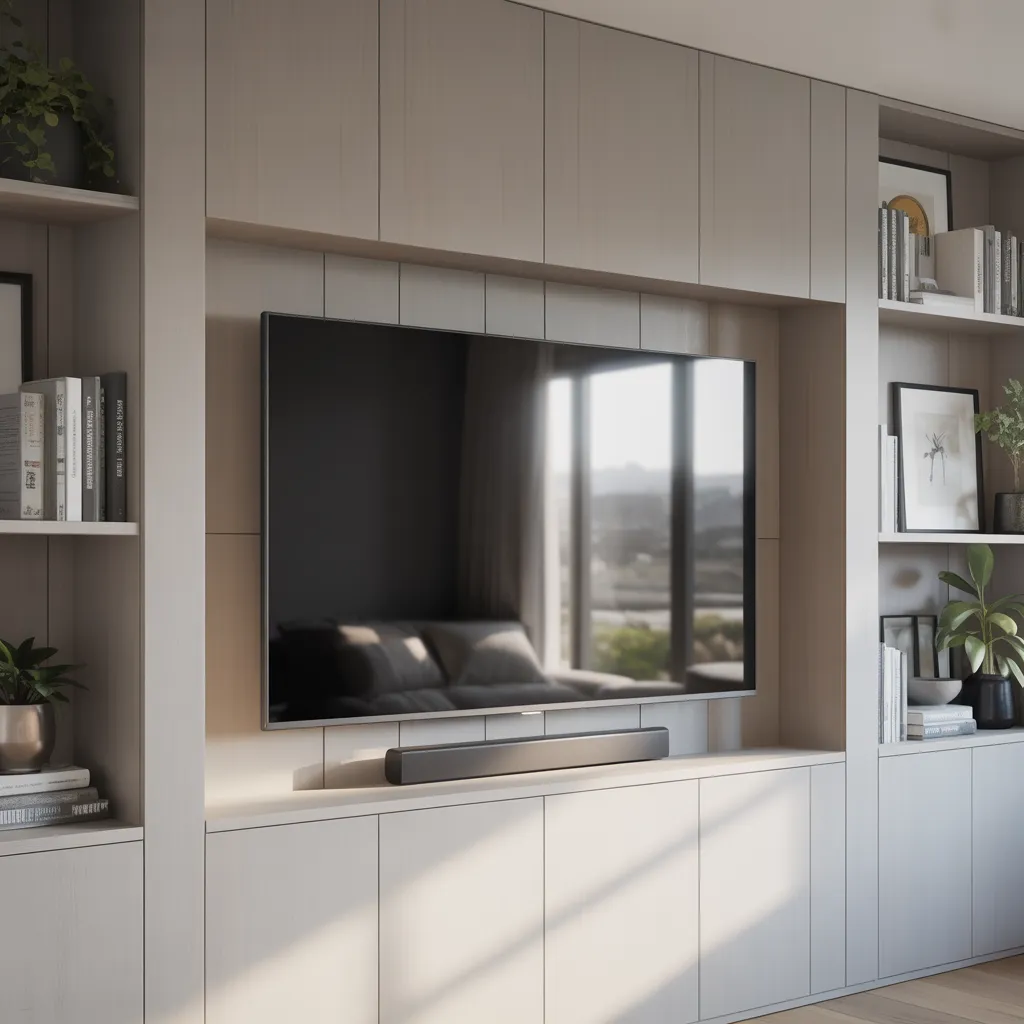
What Are the Benefits of Professional TV Wall Mounting?
Having a TV professionally wall mounted delivers numerous advantages that improve both practicality and visual appeal. Above all, it maximizes floor space, creating a tidier, more orderly living space. By elevating the television, it minimizes the chance of accidental damage and ensures wiring remains out of reach, improving overall safety, especially in homes with children and pets. Furthermore, a professionally installed TV delivers optimal viewing angles, reducing screen glare and improving the overall watching experience.
Additionally, accurate installation assures that the TV is reliably mounted, minimizing the risk of accidents or damage. Qualified installers regularly incorporate cord management options, which cover unsightly cords, creating a polished look. Moreover, professional technicians can evaluate wall structures and determine the proper mounting components, assuring compatibility and stability. At the end of the day, qualified TV wall installation not only upgrades the aesthetic quality of a space but also considerably optimizes the practical dimensions of TV use.
How a Mounted TV Elevates Your Home Cinema
A mounted TV significantly improves the home viewing experience by offering optimal viewing angles, creating superior sightlines from various seating positions. This configuration not only optimizes space by eliminating bulky furniture but also promotes a neater, more attractive design. Ultimately, a mounted TV produces a more captivating and structured environment for experiencing movies and series.
Improved Viewing Angles
Installing a mounted TV not only improves its positioning but also greatly optimizes viewing angles, elevating the home entertainment experience. By positioning the screen at eye level, viewers can enjoy a more immersive viewing experience, eliminating neck fatigue and enhancing relaxation. This strategic placement reduces unwanted glare and reflections from light sources, providing sharper visuals at any hour. Moreover, mounted screens can be tilted to cater to different seating layouts, ensuring every person in the space benefits from perfect picture clarity. This flexibility is especially beneficial for larger spaces where seating may vary. In the end, the improved sightlines offered by a wall-mounted TV foster a more pleasant and captivating atmosphere for film evenings and extended viewing sessions.
Space Optimization Benefits
Transforming a room begins with a wall-mounted TV, which considerably enhances the space within any home theater arrangement. By removing oversized furniture and freeing up floor space, a wall-mounted television allows for a more efficient use of space. This setup not only enhances movement within the room but also facilitates better seating arrangements, making it simpler to establish a comfortable viewing atmosphere. Moreover, a wall-fixed television cuts down on cable mess, promoting a more organized look. This practical solution promotes innovative spatial arrangements, enabling homeowners to utilize their space more effectively. Overall, a wall-mounted TV is a versatile option that elevates the functionality of a home cinema, delivering an ideal combination of usability and relaxation in every viewing session.
Aesthetically Pleasing Design
Enhancing the aesthetic quality of a home cinema, a wall-mounted TV forms a clean and contemporary focal point in any room. This approach eliminates the clutter of bulky furniture, allowing for a greater sense of open and comfortable atmosphere. By positioning the TV at eye level, viewers can appreciate a superior cinematic experience while preserving a refined visual appeal. The effortless blending of a mounted TV into the wall design continues to improve the overall decor, creating a refined atmosphere. Additionally, this setup provides creative opportunities, such as including elegant shelving or curated artwork around the TV. Ultimately, a wall-mounted TV transforms a space, merging functionality with a contemporary design that enhances any home cinema space.
How to Choose the Best Spot for Your TV
Where is the ideal spot to place a TV for the best viewing experience? The best location copyrights on several key factors, including the room's design, the arrangement of seating, and the ambient lighting. Choosing a wall that reduces glare from natural and artificial light sources is key to an enjoyable viewing experience. Placing the TV at seated eye level optimizes visibility and minimizes strain on the neck.
Additionally, the gap between the screen and the seating position is a key consideration; the suggested distance typically ranges from 1.5 to 2.5 times the screen's diagonal measurement. This confirms that watchers can enjoy the visual quality without fatiguing their eyes.
Consider the space's main focus; the TV should enhance the room rather than dominate it. Lastly, accessibility for cable management and future upgrades should also influence the choice. By evaluating these aspects, one can identify a location that maximizes both aesthetic appeal and functionality, delivering an appealing home cinema atmosphere.
What Tools Are Necessary for Wall Mounting?
To successfully mount a TV on the wall, possessing the correct tools is crucial. A stud finder is essential for identifying wall studs, ensuring a stable installation. A level ensures the TV is positioned evenly, while a tape measure aids in precise placement. A power drill is required for boring pilot holes, and screws specific to the wall mount type should be at hand. Furthermore, a socket wrench or wrench may be required to secure the bolts.
Safety eyewear is crucial for protecting eyes throughout the installation process, and a screwdriver is necessary for properly securing all components. When mounting larger TVs, having a second person helps with handling and positioning. Furthermore, cable organization tools, including clips or ties, ensure a neat and tidy finish. With these tools, the mounting process becomes efficient, leading to an ideal viewing experience.
Common Installation Mistakes to Avoid
Installing a TV can easily become a frustrating process when common errors are ignored. Numerous homeowners fail to confirm wall stud positions, resulting in insufficient support and possible damage. Not selecting the appropriate mounting bracket can cause instability, threatening the overall safety of the TV. Moreover, ignoring proper cable management commonly creates a cluttered arrangement, taking away from the overall visual appeal.
One other frequent oversight is wrong height placement; mounting too high or low can compromise viewing comfort. Overlooking the manufacturer's guidelines during the installation process can also create hazards, as each model may have specific requirements. Lastly, neglecting to confirm the level before securing the mount can produce an uneven display. By avoiding these pitfalls, individuals can guarantee a smoother installation process and enhance their home cinema experience.
How to Enhance Your Audio-Visual Setup for the Optimal Experience
To elevate the audiovisual setup, thoughtful assessment of elements such as ideal viewing distance, speaker positioning, and effective cable management is critical. Strategically positioning the screen and audio equipment can significantly affect immersion and clarity. Furthermore, neatly arranged cables contribute not only to the overall appearance but also to overall performance.
Ideal Viewing Distance
What is the best way to find the ideal screen distance for a television? This distance is primarily influenced by the resolution and screen size. For conventional HD displays, a common guideline is to position yourself around one and a half to two and a half times the diagonal screen size back. For 4K Ultra HD displays, you can shorten this distance to approximately 1 to 1.5 times the display's diagonal size, enabling viewers to enjoy finer details without eye discomfort. Moreover, factors such as room layout, seating height, and personal preferences significantly influence the ideal viewing distance. In the end, the best viewing experience comes from harmonizing these factors to guarantee comfort and visual clarity, enabling a truly captivating home cinema experience.
Surround Speaker Positioning
Achieving a dynamic audio experience largely relies on the strategic placement of surround sound speakers. Ideally, the front speakers should be placed at ear level, flanking the television to form a harmonious sound stage. The center speaker should be precisely over or under the screen, ensuring dialogue clarity. Rear speakers can be installed slightly above ear level, located about 2 feet behind the listening area to increase depth. Subwoofers should be positioned in corners or along walls to optimize bass response, as their placement can greatly affect sound quality. Room acoustics also have a major impact; soft furnishings can absorb pertinent details sound, while hard surfaces may bounce it. Accurate calibration following placement guarantees a peak audio experience, enhancing the home cinema environment.
Cable Management Solutions
A captivating audio-visual setup goes further than speaker placement; efficient wire management is essential for improving the complete configuration. Arranging wires properly improves the visual appeal but also reduces possible dangers and cable deterioration. Employing cable conduits, tracks, or wall panels can conceal unsightly wires, resulting in a tidy and refined aesthetic. Moreover, applying cable ties or organizers helps maintain tidy wire groupings and eliminates knotting. For individuals looking for a seamless approach, wireless systems can effectively reduce the clutter of cables. At its core, an efficiently managed wiring system enhances a productive and satisfying viewing session, enabling viewers to concentrate on the media instead of being distracted by messy cables. Focusing on proper cable organization has the potential to substantially improve your home theater space.
Care and Maintenance Guidelines for Your Wall-Mounted TV
Routine upkeep of a wall-mounted TV system is essential for achieving ideal efficiency and durability. To begin, wipe down the screen and adjacent areas regularly to stop debris from collecting, which can impact image clarity and airflow. Utilize a microfiber cloth and avoid harsh chemicals that may deteriorate the screen's surface.
Furthermore, check the mounting hardware periodically to ensure all fasteners and brackets are firmly in place. Unsecured fittings can lead to instability and possible damage.
Additionally, examine cables for wear or fraying, replacing any that show signs of damage. This helps preserve functionality while also boosting safety.
Lastly, think about recalibrating the TV settings every so often to fine-tune image and audio quality as technology advances and tastes shift. By following these maintenance tips, home theater enthusiasts can enjoy a flawless and aesthetically pleasing home cinema experience well into the future.
Common Questions and Answers
How Long Does It Usually Take for a Professional TV Wall Mounting Service to Be Completed?
An expert TV wall mounting service generally takes between one to two hours, depending on factors like wall type, installation complexity, and additional features. Each situation varies, influencing the total duration required to complete the installation properly.
Can a TV Be Mounted on a Brick or Concrete Wall?
Absolutely, a TV can be installed on a concrete or brick wall. The right tools and anchors are necessary for secure installation, so that the television is properly supported and situated for the best possible watching experiences.
What Weight Limits Should I Consider for Wall Mounts?
When selecting wall mounts, one must take into account the manufacturer's recommended weight limits, typically ranging from 50 to 150 pounds, based on the specific model. In addition, the wall structure's integrity impacts overall support and safety.
Can You Safely Hang a TV Above a Fireplace?
Placing a TV over a fireplace can be a safe option, as long as the heat and smoke do not affect the television. Professional installation, appropriate mount picking, and heat shielding are essential factors to take into account for optimal safety.
Is a Nearby Power Outlet Necessary for the Mounting Location?
A nearby power socket at the mounting spot is essential for connecting the TV safely and conveniently. Doing so avoids the use of unsightly extension cords and guarantees the device operates efficiently, while also meeting established electrical safety standards.